
AI automation for ecommerce operations
Automate the busywork. Keep most of what it saves.
We build the workflows that remove recurring manual work from your store: support triage, order and inventory sync, returns, reporting, invoicing, ad research, and the handoffs between your tools.
The work we remove
Where ecommerce teams lose hours every week
The best automations are not abstract AI demos. They are recurring tasks with a clear before and after: who does the work, how often, how long it takes, and what it costs.
Built, not theorized
We run real internal systems before selling the pattern
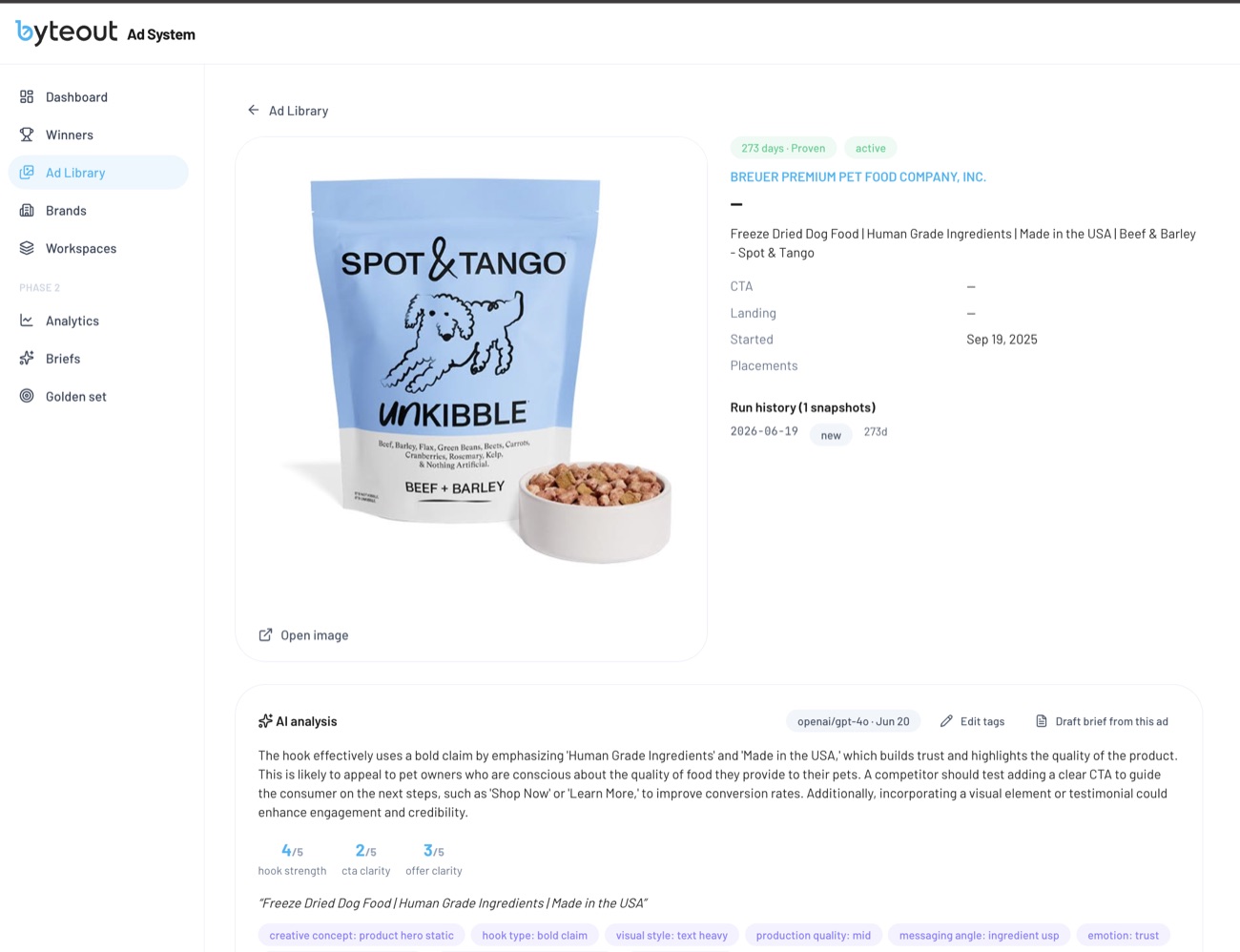
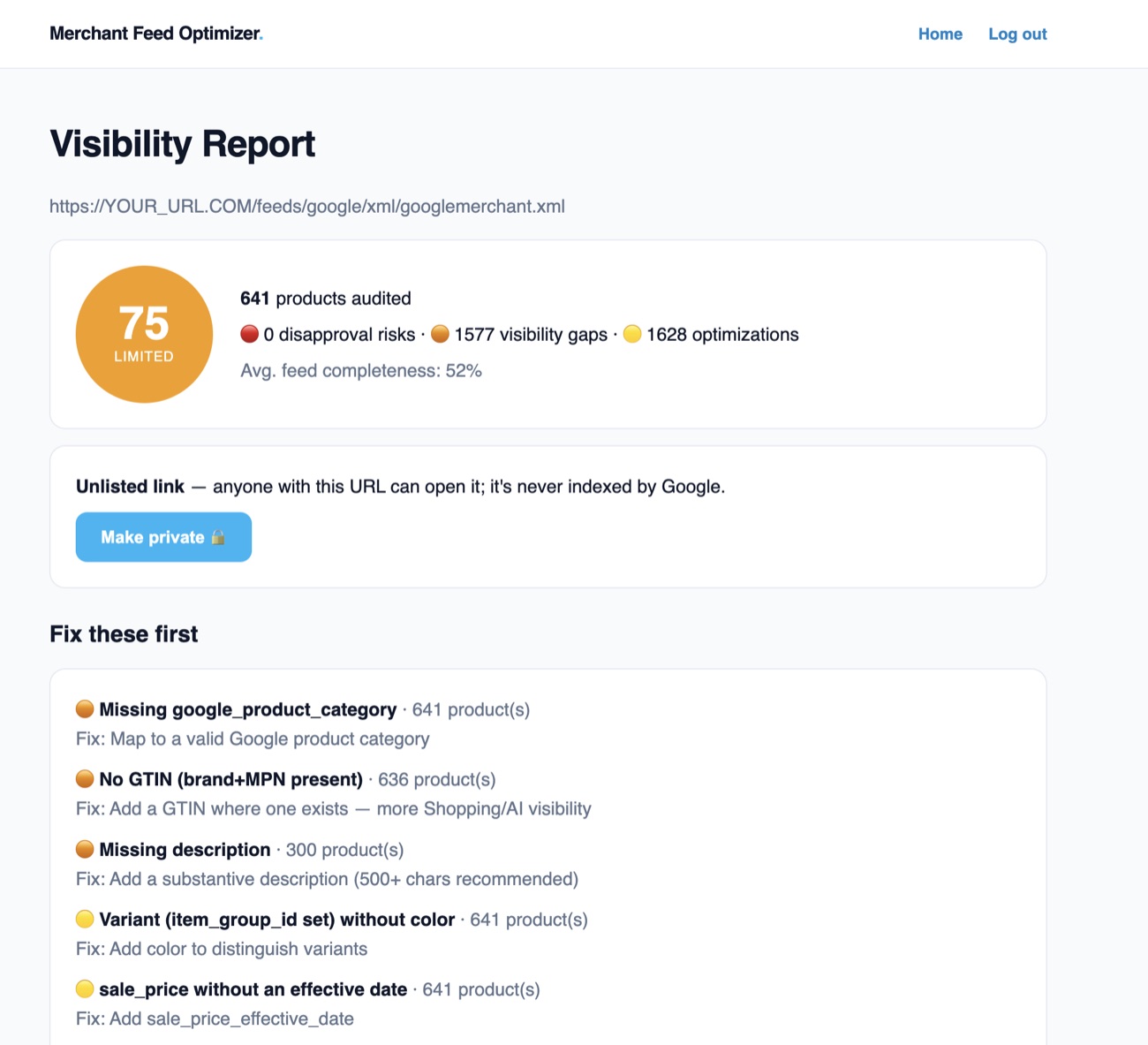
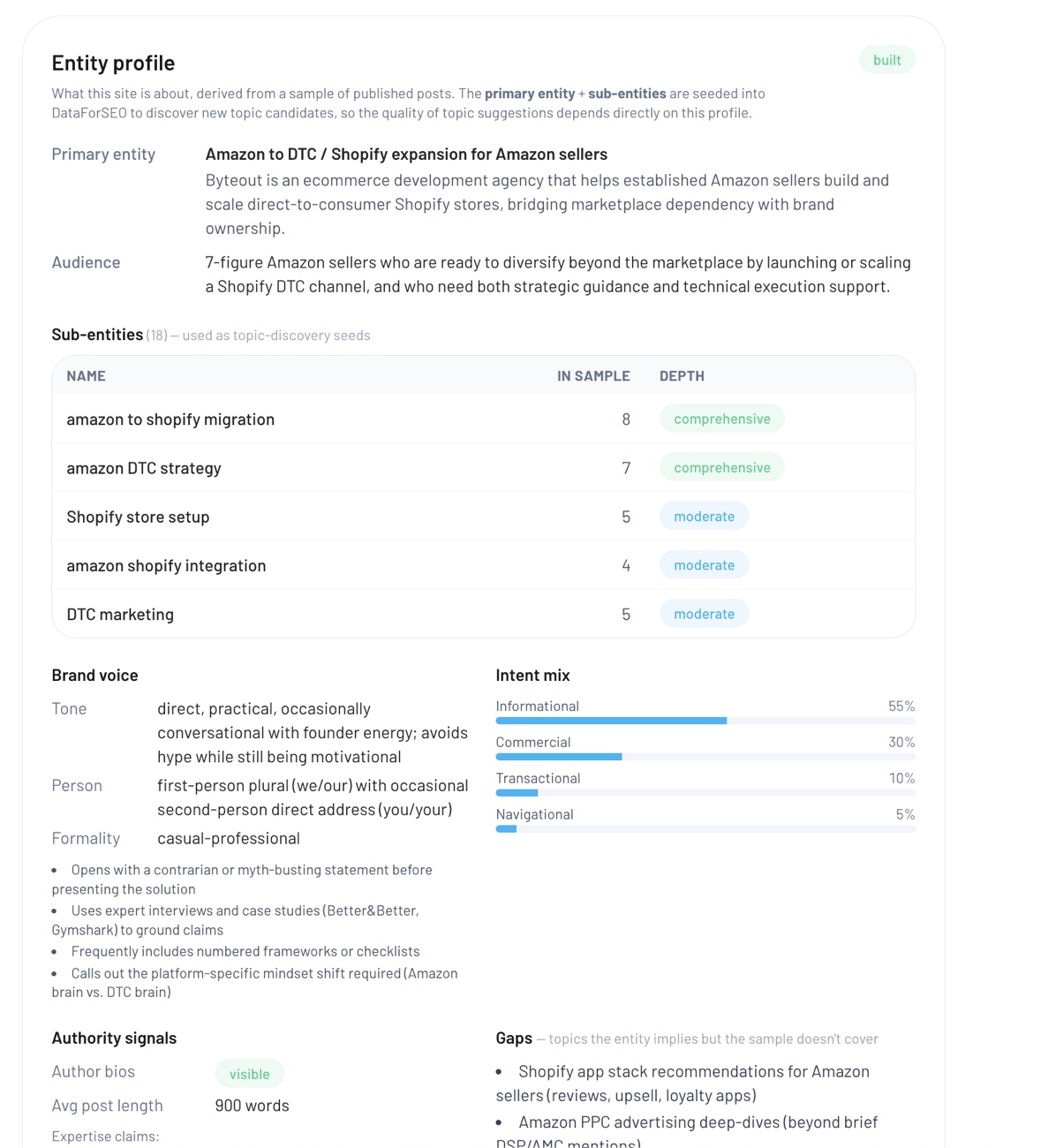
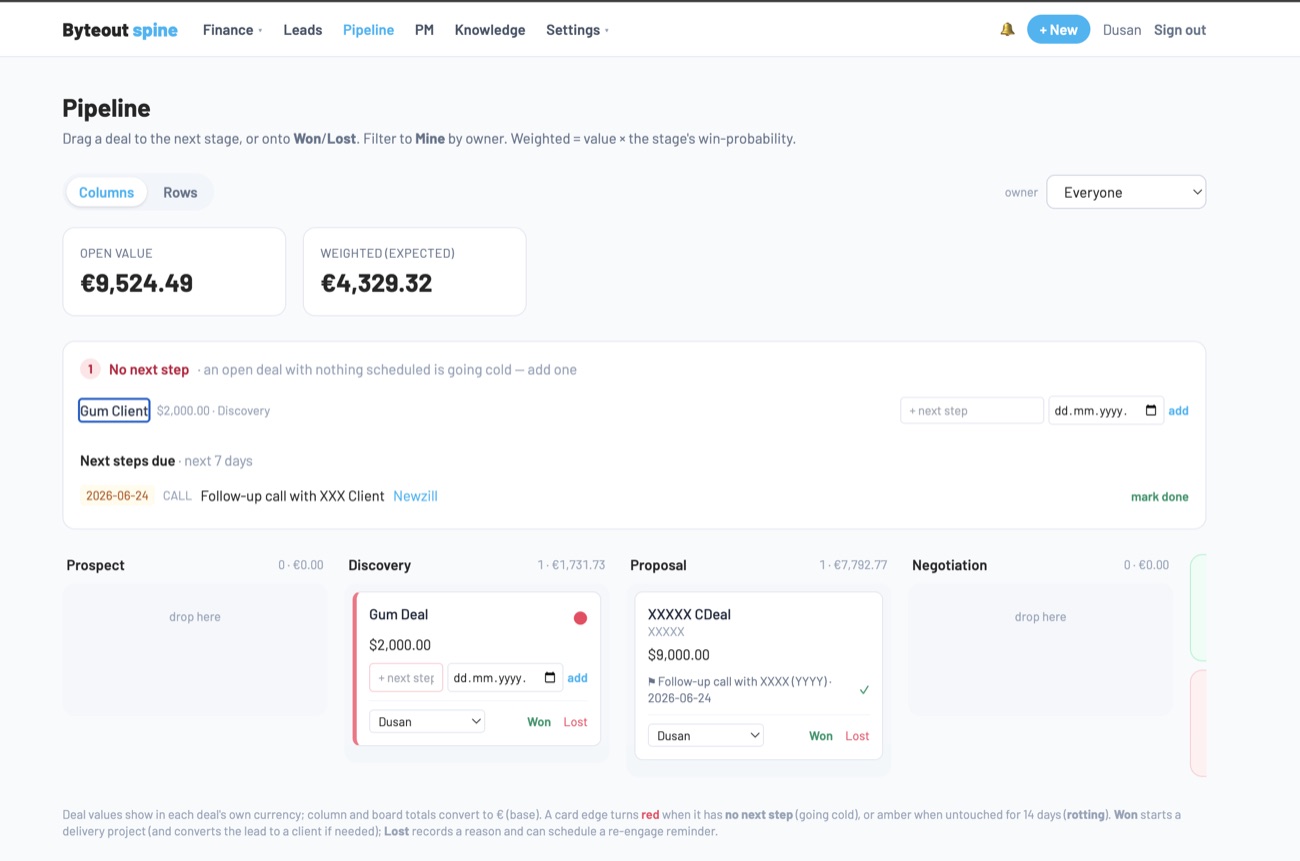
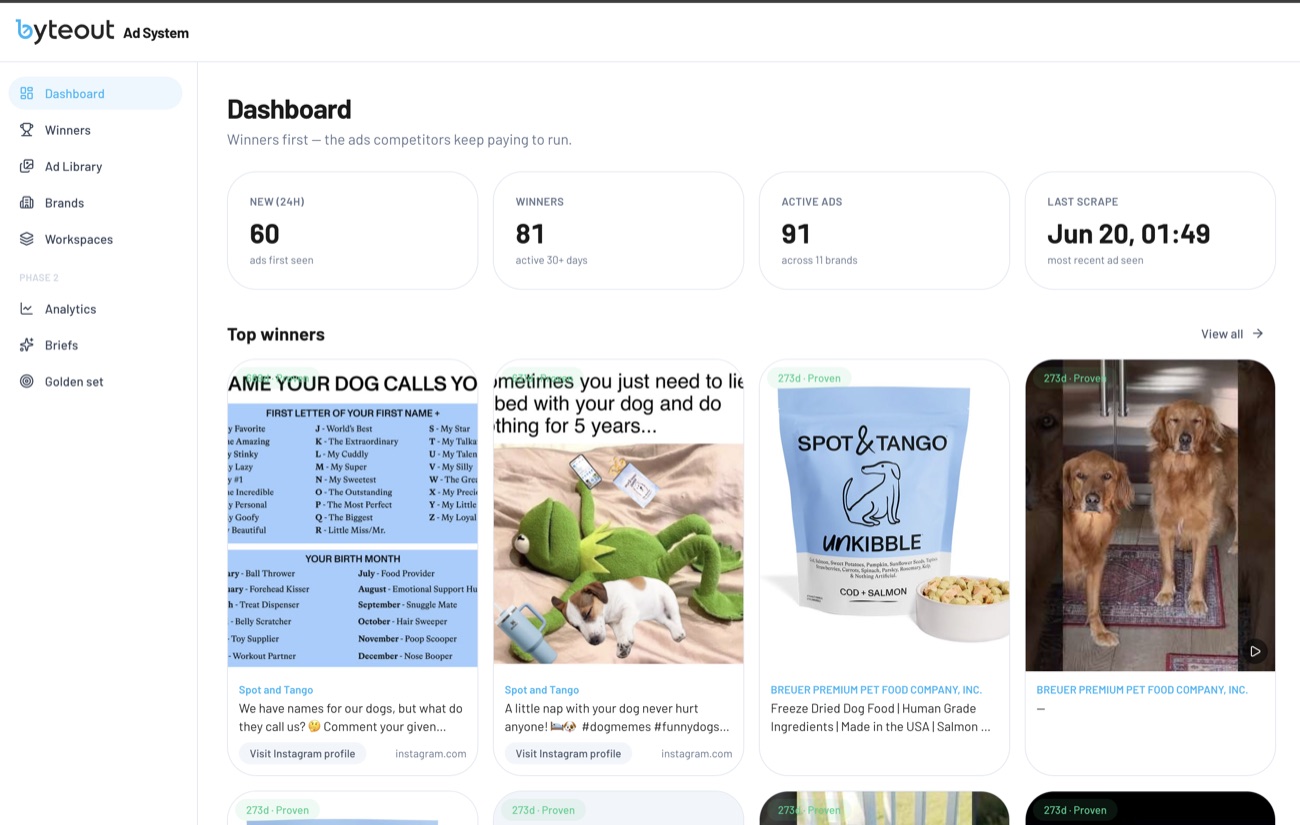
These screenshots are capability proof: production tools we use or built to make ecommerce work more measurable, repeatable, and less dependent on manual follow-up.
The engagement ladder
Start small, prove value, then scale what works
Each step produces something useful on its own. You only move forward once the economics and the workflow are clear.
Intro and scoping
$300 - 2 hoursWe map your highest-friction workflows, identify the first automation candidates, and estimate the likely savings range.
Automation audit
$1,500We document how the process runs today, where the data lives, what can be automated, and the conservative savings number.
Build and prove
30% of savings - 6 monthsWe build the highest-value workflow end to end, measure the after-state, and bill from the agreed savings it creates.
Scale and run
Share + upkeepWe extend the automation layer across operations and maintain it as APIs, tools, and business rules change.
Pricing model
You pay from documented savings, not a speculative project invoice
The audit creates the baseline. If the process does not save measurable time or money, it is not a savings-share automation.
The $1,500 audit is credited toward the $1,500 build deposit, so the first meaningful commitment is one payment to get the automation started.
How the split works
First build candidates
Concrete automations we can start with
The audit chooses the first workflow by payback, not novelty. These are the common places where the economics usually work.
Invoicing and client reporting
Turn hours, retainers, package terms, and finance data into draft invoices and client reports, with human review before anything sends.
Order and inventory sync
Move orders, stock changes, fulfillment status, and exceptions between Shopify, Amazon, 3PL, ERP, and spreadsheets.
Ticket triage and reply drafts
Classify tickets, pull order context, route exceptions, and draft replies for repeat customer questions.
RMA workflow automation
Check eligibility, create labels, update customers, and surface the cases that still need a human decision.
Weekly KPI dashboards
Assemble the same channel, product, margin, support, and inventory reports on schedule without the manual rebuild.
Competitor ad intelligence
Track active ads, detect likely winners, analyze landing pages, and draft briefs so marketing research stops eating the week.
The standard
Automation should end in a working operating surface
For ecommerce teams, the handoff matters as much as the model. The best system is not just an API connection or a hidden script. It gives your team a clear place to review, approve, monitor, and trust the workflow.
Risk reversal
Your first automation is live within 30 days, or you do not pay for it.
We are a development team, not a slideware automation shop. If the first workflow cannot be delivered, measured, and put into use, the offer has not earned your money.
Start here
Book the scoping session
Two focused hours to map the recurring manual work in your ecommerce operations, estimate what it is worth, and define the first automation we would build.